When people talk about artificial intelligence, the conversation often starts with fear: “AI is coming for our jobs.” But history tells a different story. Every major technological revolution, from electricity to the internet, didn’t just eliminate roles; it redefined them.
The same is true for AI today. While automation transforms existing work, it also opens a new universe of opportunity, one that rewards adaptability, creativity, and technical curiosity (World Economic Forum, 2025).
This isn’t a story about disappearing jobs. It’s about evolving ones.
1. From Replacement to Reinvention
AI isn’t simply removing tasks; it’s reshaping them.
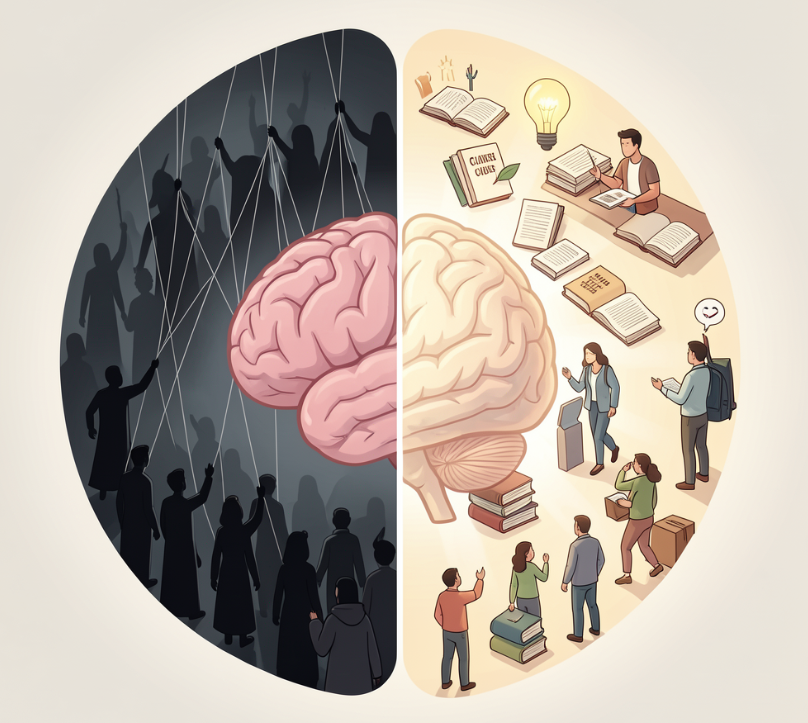
In healthcare, algorithms now handle administrative duties, freeing doctors to focus on patient care. In education, adaptive AI tutors personalize lessons while teachers spend more time mentoring and guiding (McKinsey, 2024a). In marketing, AI tools automate analysis, but creative directors still craft the strategy and emotional connection.
According to a 2025 McKinsey report, 40% of tasks across industries could be automated, yet less than 10% of jobs can be fully replaced (McKinsey, 2025). What emerges isn’t job loss, but job transformation, where humans move up the value chain.
The real winners will be those who learn to work with AI, not against it.
2. The New Roles AI Is Creating
The demand for human AI collaboration has sparked new career paths that didn’t exist a decade ago.
Prompt Engineers: Specialists who design effective prompts for generative AI tools to produce high-quality outputs, combining linguistic skill and technical precision (Forbes, 2024).
AI Ethicists: Professionals who ensure algorithms operate fairly, transparently, and without bias, a critical emerging field (Harvard Business Review, 2024).
Data Curators: Experts who organize, clean, and label the data that fuels machine learning, one of the fastest-growing roles.
AI Trainers and Auditors: People who supervise, test, and “teach” AI systems, ensuring responsible learning (World Economic Forum, 2025).
Human AI Experience Designers: Creatives who design how humans interact with intelligent systems.
These jobs highlight one thing: AI doesn’t remove human work, it changes what “human work” means.
3. The Rise of Hybrid Professions
AI is also transforming existing jobs into hybrid ones that merge technical fluency with traditional expertise.
A teacher who uses AI to personalize learning is now part educator, part technologist. A doctor who uses predictive analytics is part clinician, part data scientist. Consultants rely on AI tools to model scenarios or generate policy simulations in minutes.
The World Economic Forum (2025) calls this shift the rise of “augmented work”, where technology handles repetition and humans focus on reasoning, empathy, and innovation.
The most valuable professionals will no longer be those who resist AI, but those who orchestrate it.
4. New Industries, New Frontiers
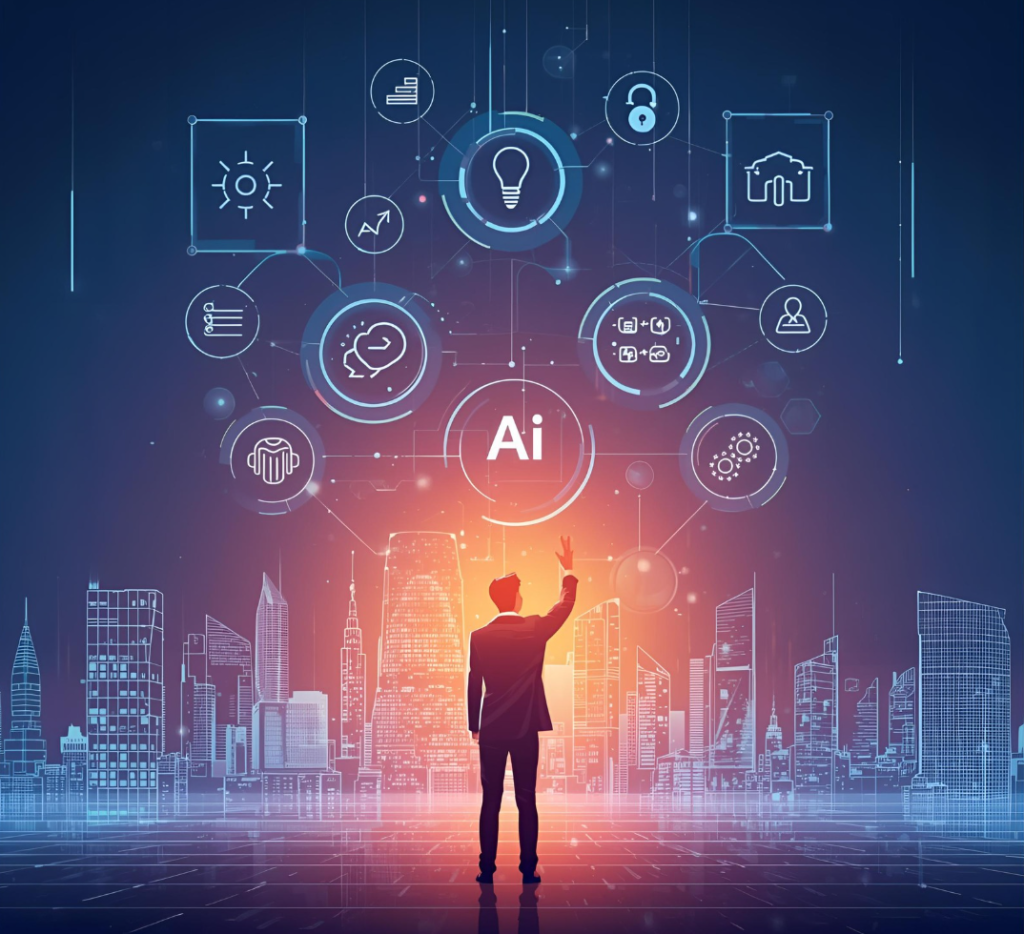
As AI matures, it’s not only changing jobs, it’s building new industries from the ground up.
Sustainability and climate tech: AI-driven systems now model energy efficiency, water management, and carbon reduction, creating demand for AI environmental analysts.
Healthcare innovation: Machine learning is enabling breakthroughs in drug discovery, personalized medicine, and disease prediction (Nature, 2024).
Creative technology: AI-generated content tools are creating new opportunities in design, film, and digital production.
AI governance and regulation: Governments and NGOs need experts to build ethical frameworks for AI deployment.
AI will automate the predictable, but amplify the possible.
5. The Skills That Will Define Tomorrow’s Workforce
In this new landscape, technical skill alone isn’t enough. What matters most is adaptability, the ability to learn, unlearn, and relearn as roles evolve.
According to LinkedIn’s 2025 Workplace Learning Report, the five most in-demand skills are:
Analytical thinking and innovation
Creative problem-solving
Adaptability and resilience
Technology literacy (especially AI tools)
Emotional intelligence and collaboration
The best preparation for the future is cultivating a growth mindset that evolves with technology.
6. A Human AI Partnership, Not a Competition
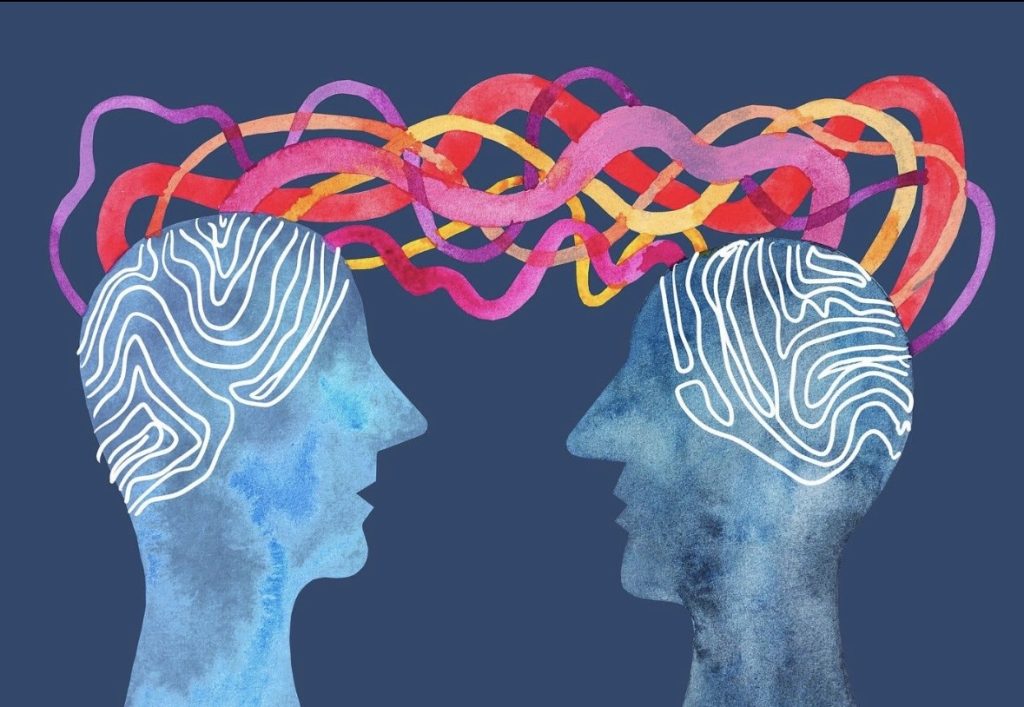
The narrative of “AI replacing humans” misses the larger truth: AI augments human potential.
When used responsibly, AI eliminates repetitive tasks so people can focus on strategy, empathy, creativity, and purpose. The future workplace won’t be dominated by machines but powered by collaboration between human intelligence and artificial intelligence.
As McKinsey (2024b) notes, “The next decade belongs to the professionals who can adapt fastest, think critically, and collaborate effectively with intelligent systems.”
Conclusion: The Age of Co-Creation
AI is not a threat; it’s a teacher. It challenges us to rethink what value means in a world where knowledge is abundant and execution is instant.
The future of work isn’t about choosing between humans and machines. It’s about combining their strengths to create something greater.
When humans bring empathy, creativity, and judgment, and AI brings speed, precision, and data, the result isn’t replacement. It is reinvention.
References
World Economic Forum. Future of Jobs Report 2025. January 2025.
McKinsey & Company. Generative AI and the future of work in America. July 2023.
McKinsey & Company. The upskilling imperative. May 2024 (a).
McKinsey & Company. The next era of human–machine collaboration. April 2024 (b).
Forbes. The rise of prompt engineering. February 2024.
Harvard Business Review. AI ethicists are the new must-have role. March 2024.
LinkedIn Learning. Workplace Learning Report 2025. February 2025.
Nature. AI’s role in drug discovery and healthcare innovation. April 2024.